
Down Syndrome Treatment
Stem Cell Therapy
Stem Cell Biotherapy for Down Syndrome
🎓 Join our Webinar for Parents of Children with Special Needs
Biotherapy for Neurological Disorders: Effectiveness, Risks, and Real Cases
📅 November 22, 2025 · 18:00 (Moscow time) · Online · Speakers: doctors from IBC and "InBioPharma"
ADVANCED MEDICAL TECHNOLOGIES
Down Syndrome Treatment
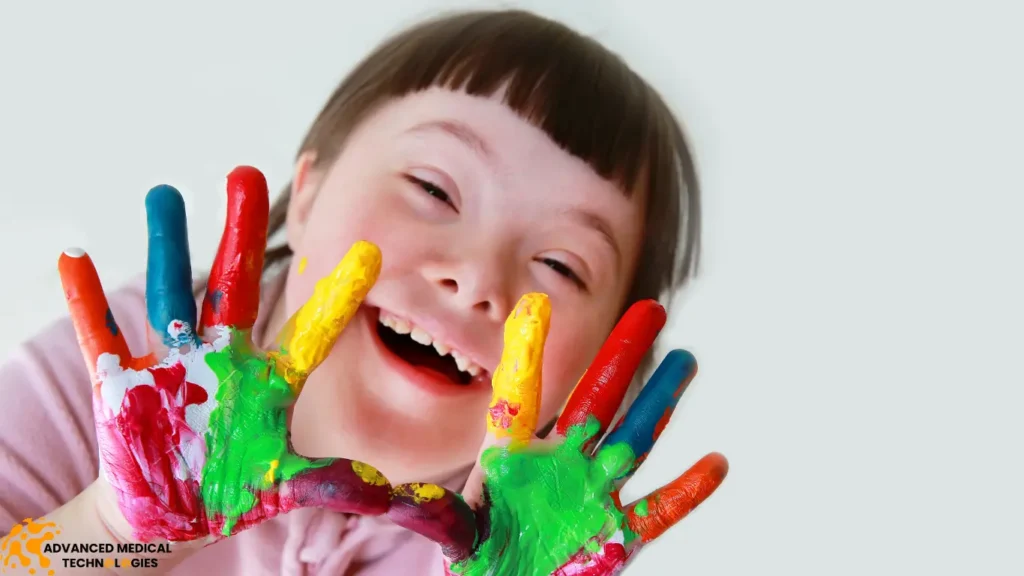
Down syndrome is a genetic condition caused by an extra copy of chromosome 21, accompanied by characteristic physical features, delayed intellectual and physical development, and an elevated risk of co-occurring conditions. One promising treatment approach is the use of umbilical cord blood stem cells, particularly mesenchymal stem cells (MSCs), which have neuroprotective, anti-inflammatory, and immunomodulatory properties. This therapy helps improve cognitive function, increase attention span, support speech development, strengthen the immune system, and reduce inflammatory processes — together improving quality of life for children with Down syndrome.
Introduction
Down syndrome (trisomy 21) is a genetic condition caused by an extra copy of chromosome 21. It is the most common chromosomal abnormality, occurring in 1 out of every 700 newborns. The syndrome results in characteristic physical features, effects on intellectual development, and various co-occurring conditions.
Causes and Mechanisms
Down syndrome arises from a genetic error that occurs during cell division. In most cases, it results from nondisjunction of chromosomes during meiosis, leading to the formation of gametes with an extra copy of chromosome 21. The risk of having a child with the condition increases with the mother's age, especially after 35.
Characteristic Features and Diagnosis
Physical features:
A flattened face and the back of the head
Upward-slanting eyes with an epicanthal fold
A small nose with a flat bridge
Hypotonia (reduced muscle tone)
Shortened limbs and broad hands with short fingers
Cognitive and behavioral features:
Mild to moderate intellectual disability
Delayed speech and motor development
A friendly, open personality
A tendency toward repetitive behavior
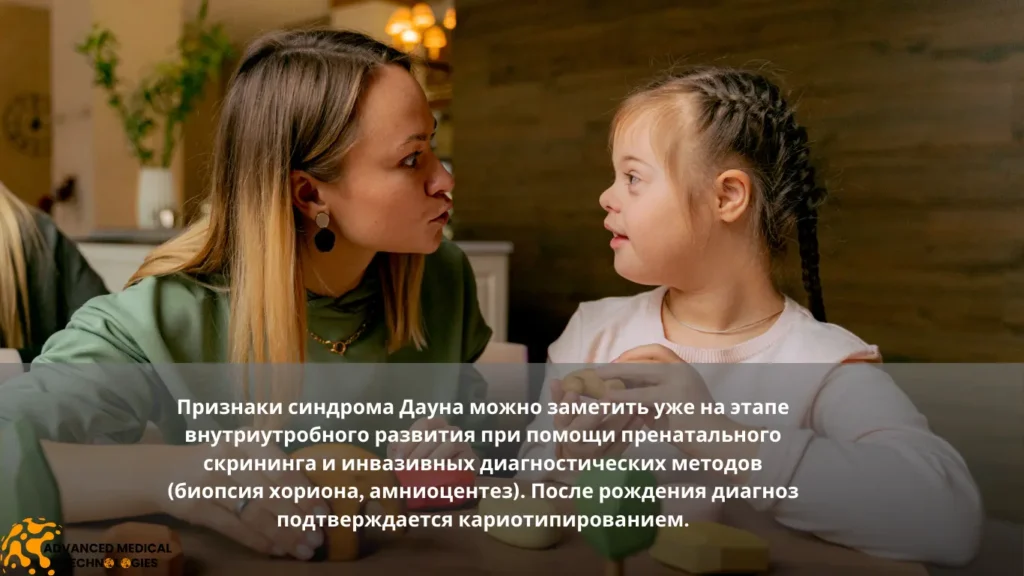
Can Down Syndrome Be Prevented?
At present, medicine has no way to prevent trisomy 21. However, prenatal diagnostics can identify the risk early in pregnancy, giving parents the ability to make an informed decision.
Treatment Methods
Treatment for Down syndrome is aimed at managing symptoms and supporting the patient's quality of life. It includes traditional rehabilitation methods as well as innovative technologies such as cell therapy.
Traditional Treatment Methods
Medication therapy: prescribing nootropics, antioxidants, and hormonal medications to improve cognitive function and metabolic processes.
Physical therapy and exercise therapy: to correct hypotonia, improve movement coordination, and stimulate motor development.
Speech therapy and neuropsychological correction: developing speech and improving cognitive function.
Social adaptation: integration into educational settings and inclusion programs.
Umbilical Cord Blood Stem Cell Therapy
In recent years, stem cell treatment has been actively developing, particularly using donor mesenchymal stem cells (MSCs) derived from umbilical cord blood. These cells have a number of unique properties:
Anti-inflammatory effect — reduce chronic inflammation, which can negatively affect brain development.
Neuroprotective effect — help repair and protect nerve cells.
Immunomodulatory effect — regulate immune processes, reducing the risk of autoimmune complications.
You can learn more about this therapy in this testimonial.
Safety and Ethical Aspects of Cell Therapy
The use of donor umbilical cord blood stem cells is considered safe, since these cells carry a low risk of immune rejection and do not cause tumor formation. Umbilical cord blood stem cells undergo thorough testing for infections and compatibility before use, which reduces the likelihood of side effects.
From an ethical standpoint, donor cell therapy raises no moral concerns, since the cells are obtained from umbilical cord blood, which is typically discarded after birth. As such, their use doesn't involve any invasive or harmful procedures.
What Conditions Is Donor Stem Cell Therapy Used For?
Umbilical cord blood mesenchymal stem cells are already used successfully in treating a number of conditions, including:
Cerebral palsy and other neurodegenerative disorders
Autism
Brain and spinal cord injuries
Autoimmune conditions (such as multiple sclerosis)
Blood disorders (leukemia, anemia)
Effectiveness of Cell Therapy for Children with Down Syndrome
For children with Down syndrome, cell therapy can play an important supportive role. Studies show that administering mesenchymal stem cells helps with:
Improved cognitive function and attention
Increased brain neuroplasticity
Improved speech and motor development
Reduced inflammatory processes, which is important for preventing age-related complications
Combining Traditional and Cell Therapy
Traditional rehabilitation methods provide basic support for the development of a child with Down syndrome, while stem cell therapy offers additional opportunities to improve cognitive function, normalize metabolism, and increase the nervous system's plasticity.
In this way, using donor umbilical cord blood MSCs alongside classical treatment methods gives patients with Down syndrome a chance at a higher quality of life, relief from co-occurring symptoms, and improved cognitive development
Umbilical Cord Blood Stem Cells
Umbilical cord blood stem cells are unique cells found in the blood collected from a newborn's umbilical cord immediately after birth. These cells have a high capacity for self-renewal and can differentiate into various cell types in the body.
You can read international clinical research here.
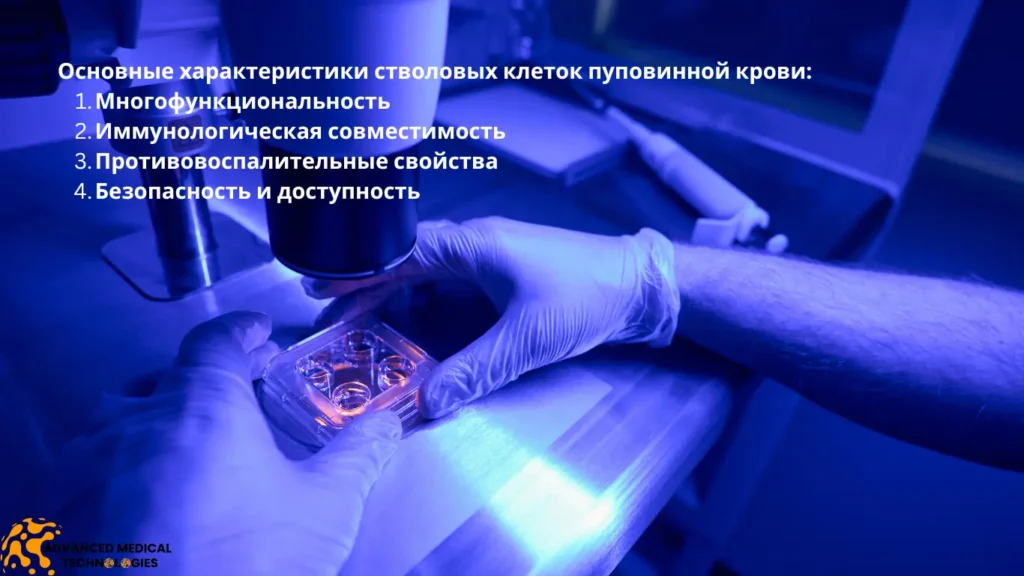
Key Characteristics of Umbilical Cord Blood Stem Cells:
- Multipotency — can transform into various cell types, including blood, nervous system, muscle, and bone cells.
- Immunological compatibility — carry a low risk of rejection during transplantation, especially when used in related recipients.
- Anti-inflammatory properties — reduce inflammatory processes in the body, which is important for treating autoimmune and neurodegenerative conditions.
- Safety and availability — cord blood collection is painless for both mother and baby, and the cells can be stored in specialized cryobanks.
Types of Umbilical Cord Blood Stem Cells:
- Hematopoietic stem cells (HSCs) — precursors of blood cells, actively used in treating leukemia, anemia, and immunodeficiency disorders.
- Mesenchymal stem cells (MSCs) — involved in tissue regeneration, have a powerful anti-inflammatory effect, and are used to treat cerebral palsy, autism, brain injuries, and other conditions.
How Are Umbilical Cord Blood Stem Cells Used?
Umbilical cord blood stem cells are used in medicine for:
- Treating blood disorders (leukemia, anemia, immunodeficiencies).
- Restoring the nervous system (cerebral palsy, autism, brain injuries).
- Improving metabolic processes and tissue regeneration.
- Strengthening the immune system.
Depending on the patient's condition (disease stage, complications, co-occurring conditions, etc.), the treatment program may be adjusted or supplemented to fit the patient's needs..
Please note that the effectiveness of stem cell biotherapy depends on many factors (patient age, co-occurring conditions and complications, individual characteristics, genetic predisposition, lifestyle, etc.), so actual results may differ from expected results..
Patient recovery after stem cell biotherapy should take place as part of a comprehensive approach to treating the condition.
Stem cell biotherapy can be combined with other therapeutic methods, which increases the effectiveness of the primary treatment. That's why we recommend continuing rehabilitation and following all of your doctor's medication recommendations alongside stem cell biotherapy. This is a key factor in achieving a lasting result.
We provide our patients with the most comfortable possible stay and excellent service:
- free transfer (patients are picked up from and returned to train stations or airports);
- help selecting and booking a conveniently located hotel (only accommodation is paid separately);
- our clinics are equipped to accommodate patients with limited mobility.
We strive to make our patients feel at home in the clinic, so the entire treatment process takes place in a warm, family-like atmosphere!
Testimonials From Our Patients

Diagnosis: Cerebral Palsy, Spastic Tetraparesis. Age: 1 Year 5 Months
Diagnosis: Cerebral Palsy Sequelae, GMFCS 4, Age 5

Diagnosis: Cerebral Palsy, Structural Focal Epilepsy, Mixed-Type Encephalopathy, Corpus Callosum Atrophy, Moderate Tetraparesis, Partial Optic Atrophy, Age 4

Diagnosis: Autism, Age 4

Diagnosis: Autism Spectrum Disorder, Age 6

Diagnosis: Cerebral Palsy, Age 28

Diagnosis: Down Syndrome, Age 2

Diagnosis: Epilepsy, Age 7

Diagnosis: Autism Spectrum Disorder, Age 4 Years 7 Months